Contact Form


Our Funds

To successfully adapt a large area of the Nyabarongo River with clean water, we will need an initial amount of 80 million Great Bur Reed seeds (4.5 tons of seeds). It seems like a lot of seeds, but it is a minimal amount for such a vast river. As the reeds grow they will reproduce allowing a greater area of filtration. They are not considered an invasive species and many animals can feed among these plants, never allowing them to disrupt the ecosystem.
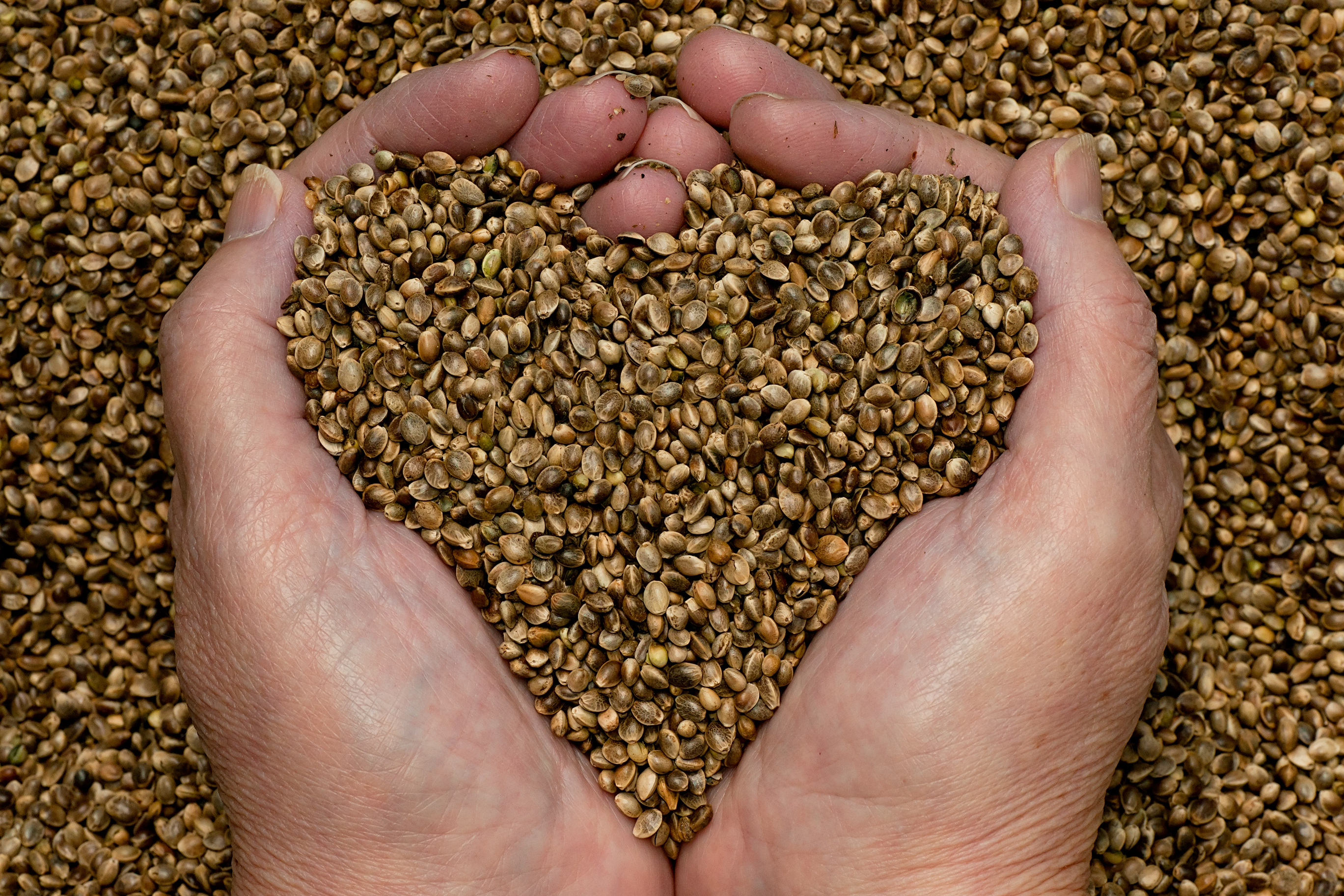


The price of these seeds can range up to $600,000 or 413,385,000 Rwandan Franks. The transportation for these seeds will be provided by our secondary ally; American President Lines©.
Total comment

Author

Unknown
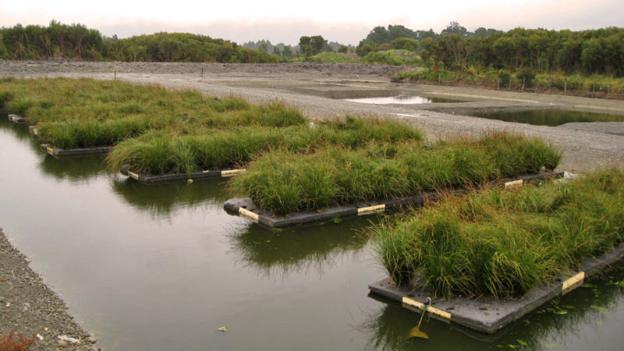
Our method of filtration is unique and very effective. Instead of using expensive and unnatural compounds to clean the water, we use something much simpler; mother nature itself.


Some plants have special properties that can kill unwanted bacteria, minerals, pathogens, nutrients and other factors that leave water undrinkable. By picking the correct plant that corresponds to Rwanda's water source and climate, we can filtrate these sources and provide clean water to villages.
The plant we chose as our main filtration systems is the Great Bur Reed. A plant that requires full or partial sunlight, a rather gravelly soil and no or minimal disruption in water flow. Perfect conditions of the Nyabarongo river, the main river that passes through Rwanda.


Total comment

Author

Unknown
Water, a sign of health, a sign of life. A liquid necessary to support all of earth's organisms, yet a hapless nation affected by a blood-thirsty genocide is unable to supply clean water to more than 45% of its people. That is when we kick- in, when all hope seems loss. We purify one's health, we purify their life, we purify water. 


A Seed of Hope© is a non-profit organization with one main objective; clean and purify water in Rwanda. Along with our ally Millennium Village© and of course, your prudent donations, we will not only provide clean water, but also supply them to more then 5 million Rwandan citizens.      


Total comment

Author

Unknown